
Summary:
This lesson addresses Cross-Pattern Pain, where a disc derangement causes the trunk to lean away from the painful side (contralateral shift). You’ll learn to identify key signs—such as asymmetrical shoulder height and restricted movement toward the painful side—using posture observation and the standing side-glide test. Management begins with repeated side-glides toward the pain to centralize symptoms, followed by extension-based exercises (prone lying, forearm props, press-ups) to stabilize alignment. A long-term maintenance plan reinforces midline posture through daily checks, ergonomic adjustments, and movement breaks. Clinical scenarios guide application of these principles, emphasizing technique refinement, adaptation, and patient self-monitoring for sustained relief and prevention of recurrence.
Video
Low Back Pain
10 Lessons
0% Not started
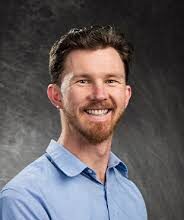
By Noah Volz
About Cross-Pattern Low Back Pain
Simple and Easy
Ready to Learn?
Subscribers only
Subscribers only
Understanding pain means recognizing it as more than just a sign of tissue damage—it is the brain’s protective response, shaped by both physical and neurological factors. Chronic pain often results from a hypersensitive nervous system rather than ongoing injury. The Safety > Sensory > Function model targets this by calming the nervous system, restoring body awareness, and gradually rebuilding movement and strength. This approach is combined with the McKenzie Method (MDT), which classifies back pain based on movement patterns and helps identify positive responses like centralization of pain. Together, NeuroFirst and MDT provide a comprehensive strategy to address both the neurological and mechanical drivers of back pain.
Subscribers only
Before beginning any self-treatment, it’s vital to check for red flags—serious warning signs that require medical attention. These include numbness in the groin area (saddle anesthesia), difficulty controlling urination or bowel movements, increasing weakness or numbness (progressive neurological deficits), and a history of cancer with unexplained weight loss. If any of these are present, consult a healthcare professional immediately. If no red flags are found, you can perform a simple neurological self-check by testing heel/toe walking for balance, knee extension strength for quadriceps function, and light touch sensation for sensory loss; passing these suggests it’s safe to proceed with the NeuroFirst program.
Subscribers only
Subscribers only
Subscribers only
Subscribers only
Subscribers only
Subscribers only
About the Teacher
Noah Volz
Dr. Noah Volz has transformed how thousands of people understand and overcome chronic low back pain.After two decades of clinical practice and research, Dr. Volz discovered that most back pain treatments fail because they address symptoms rather than root causes. This realization led him to develop his revolutionary classification system that identifies the specific type of dysfunction driving each person's pain—and the precise interventions needed to resolve it.His unique qualifications include:
What sets Dr. Volz apart is his ability to translate complex medical concepts into clear, actionable strategies that patients can implement immediately. His systematic approach empowers people to become active participants in their recovery rather than passive recipients of treatment.Students consistently praise his courses for providing breakthrough insights that previous treatments missed. His comprehensive classification system has become the gold standard for understanding why certain interventions work for some people but not others—finally giving practitioners and patients the clarity they need to achieve lasting results.
- Doctorate from Life West Chiropractic College with advanced specialization in functional neurology and movement science
- Over 20 years treating complex spinal conditions using integrative approaches combining Western pain science with Ayurvedic principles
- Extensive postgraduate training in spine biomechanics, neuromuscular reconditioning, and pain neuroscience
- Developer of evidence-based protocols that have helped patients avoid surgery and eliminate chronic pain
- Doctorate from Life West Chiropractic College with advanced specialization in functional neurology and movement science
- Over 20 years treating complex spinal conditions using integrative approaches combining Western pain science with Ayurvedic principles
- Extensive postgraduate training in spine biomechanics, neuromuscular reconditioning, and pain neuroscience
- Developer of evidence-based protocols that have helped patients avoid surgery and eliminate chronic pain